


PVC Sheets – Durable, Versatile, Ready to Work
PVC sheets are tough, lightweight, and easy to work with — making them a go-to material across industries. From advertising displays to industrial lining, from decorative panels to cleanroom solutions, our range includes the right type of PVC board for every job. Available in multiple densities, colors, finishes, and functions, each sheet is engineered for reliability, ease of use, and long-term performance.
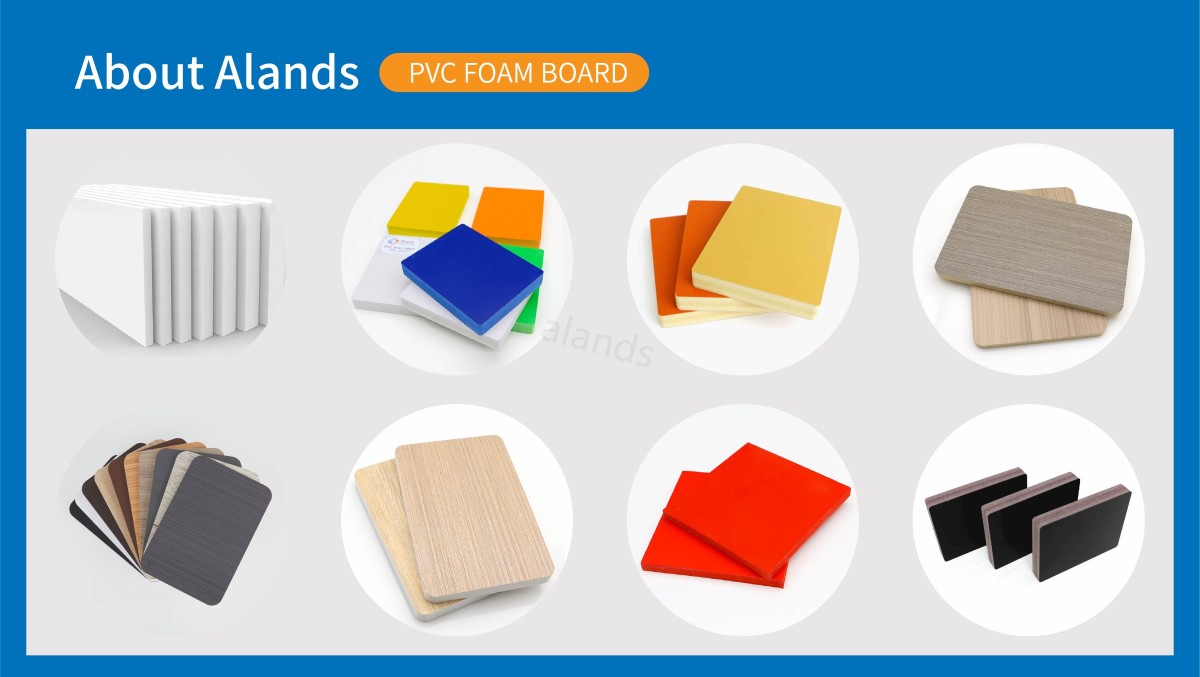
PVC Sheet Types Overview Table
1. Lightweight Foamed PVC – For Versatile Display & Decor
Foamed PVC is a lightweight yet stable sheet made with a microcellular foam structure, ideal for signage, displays, and general-purpose decorative use. It offers a great balance of strength and ease of handling, especially in applications where weight savings matter.
This board cuts easily, prints beautifully, and accepts adhesives well. The surface is smooth and clean — perfect for digital printing, UV coating, silk-screening, and engraving. It can be laminated with decorative films for enhanced aesthetics or used plain. It’s also fire-retardant (typically B1 rated) and moisture-resistant.
You’ll often see it used for exhibition backdrops, shop signage, indoor advertising boards, and even school projects or DIY wall panels. It’s especially favored in commercial display settings for its affordability and creative flexibility.
2. Rigid PVC – For Structural and Industrial Needs
Rigid PVC is a dense, robust sheet used where durability and chemical resistance are key. Unlike foamed types, it offers no internal voids, providing excellent impact strength and long-term stability.
The material stands up to acids, bases, and industrial solvents, making it ideal for equipment housing, chemical tank linings, and ventilation ducts. It can be machined, drilled, bonded, and thermoformed with precision, and it maintains shape under mechanical stress.
Commonly found in chemical processing facilities, electroplating plants, and clean production environments, rigid PVC is also used for toolboard backings, machine bases, and partition panels in factories.
3. High-Foamed PVC – Best for Packaging and Fill-In Use
This version of foamed PVC has a lower density and a more open-cell texture, making it lighter and more shock-absorbent than other types. It’s not designed for structural use but shines in support or padding roles.
It’s easy to cut and shape with basic tools, making it suitable for quick prototyping, model filler parts, or temporary protection layers during construction. It provides light insulation and cushioning while remaining cost-effective.
Common uses include transport separators, buffer pads in crates, and filler boards in construction layers. It's a smart replacement for low-density wood or EPS foam when light duty and flexibility are required.
4. Transparent PVC – Clarity Meets Durability
Transparent PVC offers clear visual performance with added mechanical and safety benefits. Compared to acrylic, it is more impact-resistant and inherently fire-retardant, making it safer in many applications.
It can be thermoformed or laser-cut while maintaining clarity and strength. With high transparency and UV resistance, it’s ideal for windows, face shields, machine guards, and display covers. It also performs well in sterile or high-traffic environments.
Its balance of clarity and toughness makes it a top choice for industrial safety barriers, lab dividers, and transparent enclosures that require both visibility and reliability.
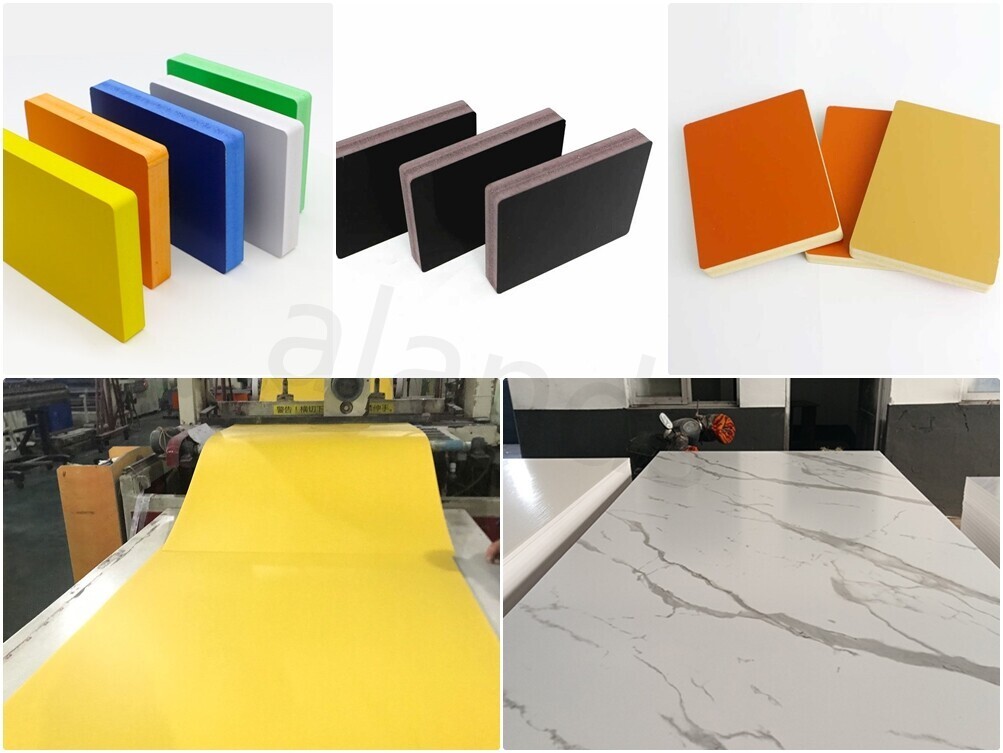
5. Colored PVC – Designed for Visual Identity and Decoration
Colored PVC boards are either fully dyed or surface-treated to provide consistent, long-lasting color. They are perfect for environments where brand color or creative impact is a priority.
The material is waterproof, UV-stable, and resists fading. It can be processed like regular PVC: cut, routed, printed, or formed. Available in glossy or matte finishes, with a wide range of vibrant colors.
It’s commonly used in indoor signs, educational displays, branded installations, and vibrant partitions. A favorite in creative workshops, schools, and public spaces.
6. Anti-Static PVC – For Sensitive Workspaces
Anti-static PVC sheets are formulated to suppress static charge buildup, making them ideal for environments handling sensitive electronics or requiring strict particulate control.
These boards have surface resistivity in the 10⁶–10⁹ ohm range, effectively controlling static without compromising on durability. Like standard rigid PVC, they can be machined, bonded, and installed with ease.
They’re found in cleanrooms, PCB assembly lines, precision instrument labs, and data center infrastructure. Applications include wall panels, work surfaces, protective covers, and machine shrouds in static-sensitive areas.
7. Woodgrain PVC – A Smart Alternative to Wood
This decorative PVC sheet combines the core benefits of plastic (moisture resistance, durability) with the elegant appearance of real wood. It’s made by laminating woodgrain or textured vinyl films onto foamed or semi-rigid PVC boards.
It’s scratch-resistant, waterproof, and doesn’t require varnish or paint. It can be edge-banded like MDF and installed using standard woodworking tools. Available in a range of wood finishes like walnut, oak, or maple.
Used in kitchen cabinets, wall panels, furniture cladding, and commercial interiors, this board provides a realistic wood look in damp or high-traffic spaces where traditional wood would degrade quickly.
8. Micro-Foamed PVC – Precision Cut, Made for Engraving
This type of PVC is compact, firm, and ideal for CNC routing, laser cutting, and fine-detail engraving. With a high-density foam structure, it offers crisp, clean edges that don’t fray or powder.
The surface is smooth and slightly matte, perfect for direct UV printing or lamination. Unlike softer boards, it maintains flatness and edge strength even during detailed cutting processes.
It’s widely used for 3D letters, lightbox panels, dimensional signage, and decorative shopfront graphics. If clean-cut finish and shape retention matter, this is the go-to material.
Contact Us
If you have any enquiry about quotation or cooperation, please feel free to use the following enquiry form. Our sales representative will contact you within 24 hours. Thank you for your interest in our products. "*" Indicates the Fields are Mandatory
Related Posts
Request A Quote! We'll respond as soon as possible(within 12 hours)
Leave A Message