


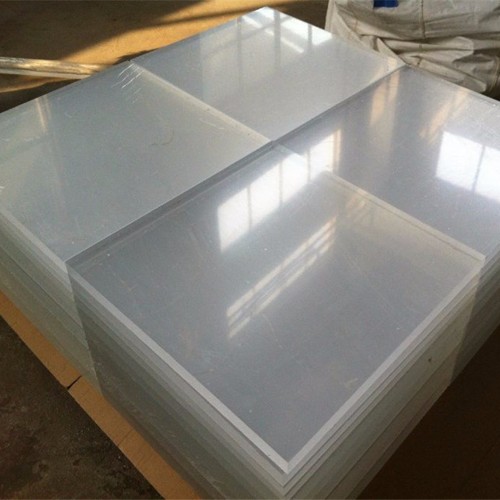
Acrylic sheet can be cut by scoring, sawing, routing, CNC machining, or laser cutting. The correct method depends on sheet thickness, cut shape, production quantity, required tolerance, and edge finish.
Which Method Is Best for Cutting Acrylic?
There is no single cutting method that is best for every acrylic sheet. Thin panels with simple straight cuts may be scored and snapped, while thicker sheets generally require saw cutting, routing, CNC machining, or laser cutting.
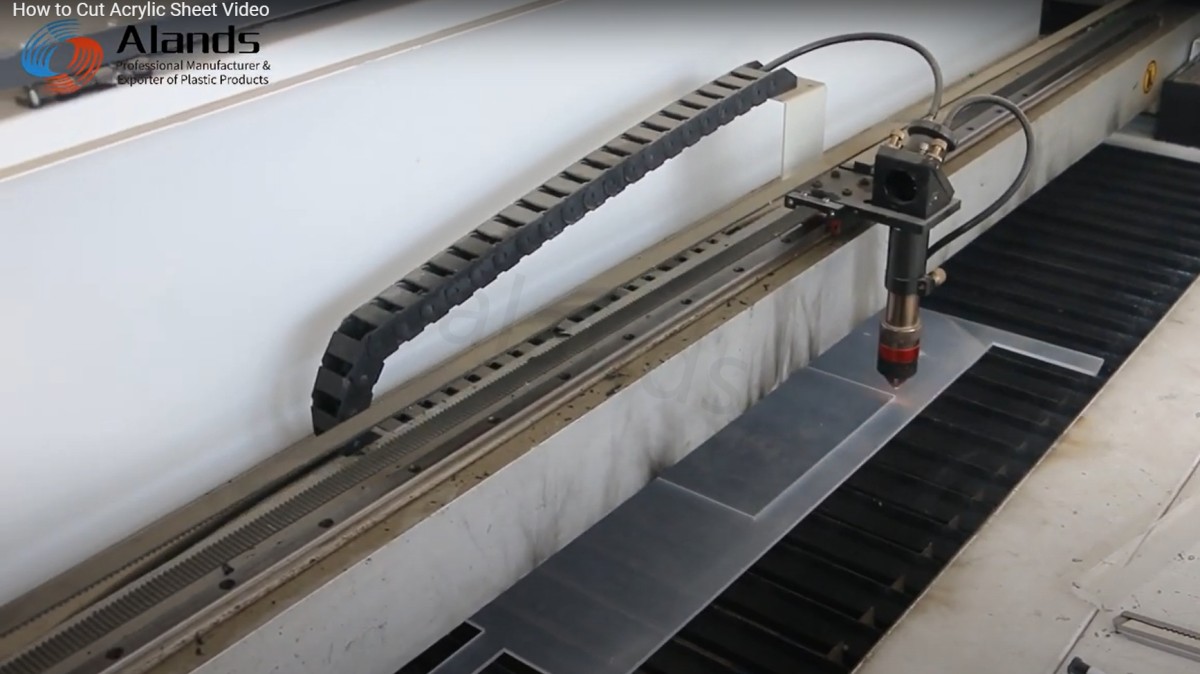
How to Laser Cut Acrylic Sheet
Laser cutting is particularly useful for acrylic parts that require complex geometry, repeatability, narrow kerfs, or a clean visual edge. It is widely used for signs, lettering, display components, decorative panels, awards, and fabricated parts.
- Prepare the Acrylic
Inspect the sheet, keep the surface clean, and place it flat on the laser cutting bed. - Prepare the Design File
Import the required vector drawing, dimensions, and cutting paths into the machine software. - Set the Laser Parameters
Adjust power, cutting speed, focus, and other parameters according to acrylic thickness and machine capability. - Run a Test Cut
Test a small section or scrap piece before processing the final sheet. - Start the Cutting Process
Monitor the machine during operation and check that the material is cutting completely without excessive heat buildup. - Inspect the Finished Edge
Check dimensions, edge quality, and surface condition before further fabrication or assembly.
Cutting Acrylic Without a Laser
Score and Snap
Score-and-snap cutting is suitable for relatively thin acrylic sheets and simple straight cuts. Use a straightedge and acrylic scoring tool to make repeated passes along the same line, then carefully snap the sheet along the score.
Saw Cutting
Table saws and circular saws are suitable for larger sheets and straight cuts. A fine-tooth blade intended for plastic helps reduce chipping and produces a cleaner edge.
- Support the entire sheet to reduce vibration.
- Keep the protective film on the surface where practical.
- Use a suitable fine-tooth plastic cutting blade.
- Maintain a stable feed rate.
- Do not force the sheet through the blade.
Jigsaw Cutting
A jigsaw is useful for curved cuts and smaller custom shapes. Use a fine-tooth blade designed for plastic and maintain a controlled cutting speed to reduce chipping and heat buildup.
CNC Routing
CNC routing is commonly used for commercial acrylic fabrication where repeatable dimensions, holes, contours, pockets, grooves, or large production quantities are required.
How to Prevent Acrylic from Cracking or Melting
- Reduce Vibration: Keep the acrylic securely supported during cutting.
- Use the Correct Blade: Coarse blades can cause excessive chipping and mechanical stress.
- Control Heat: Excessive friction may soften or melt the cutting edge.
- Avoid Excess Pressure: Let the cutting tool work instead of forcing the sheet through it.
- Protect the Surface: Keep protective film in place whenever it does not interfere with the fabrication process.
- Test First: Use scrap acrylic to confirm cutting conditions before processing finished parts.
Do Acrylic Edges Need Polishing?
Edge finishing depends on the final application. A hidden machine guard edge may only need deburring, while a retail display, sign, furniture component, or transparent decorative part may require a polished finish.
- Sanding: Removes saw marks and progressively smooths rough edges.
- Mechanical Polishing: Produces a smoother and more transparent finished edge.
- Routing: Can create straight, consistent finished edges before polishing.
- Flame Polishing: Can produce a clear edge on suitable acrylic parts but requires controlled technique.
Applications of Cut Acrylic Sheets
- Signage: Acrylic letters, illuminated signs, logo panels, and directional signage.
- Retail Displays: Product stands, display cases, shelves, and exhibition components.
- Furniture: Tabletops, decorative panels, shelves, and transparent components.
- Machine Guards: Transparent equipment covers, protective panels, and viewing windows.
- Lighting: Diffusers, decorative panels, covers, and fabricated lighting components.
- Custom Fabrication: CNC parts, prototypes, housings, panels, awards, and decorative components.
Choosing the Right Cutting Process
Select the cutting method according to sheet thickness, required shape, dimensional tolerance, quantity, and desired edge quality. Score-and-snap cutting works for simple thin-sheet jobs, saws are efficient for large straight cuts, jigsaws handle curves, and CNC or laser equipment is better suited to precision commercial fabrication.
Contact Us
If you have any enquiry about quotation or cooperation, please feel free to use the following enquiry form. Our sales representative will contact you within 24 hours. Thank you for your interest in our products. "*" Indicates the Fields are Mandatory
Related Posts
Request A Quote! We'll respond as soon as possible(within 12 hours)
Leave A Message