



Is Acrylic Sheet Good for Soundproofing?
When people look for ways to make their homes, offices, or studios quieter, soundproofing is often the first solution that comes to mind. A common question is: Can acrylic sheet be used for soundproofing? Let’s break it down.
What Is Acrylic Sheet?
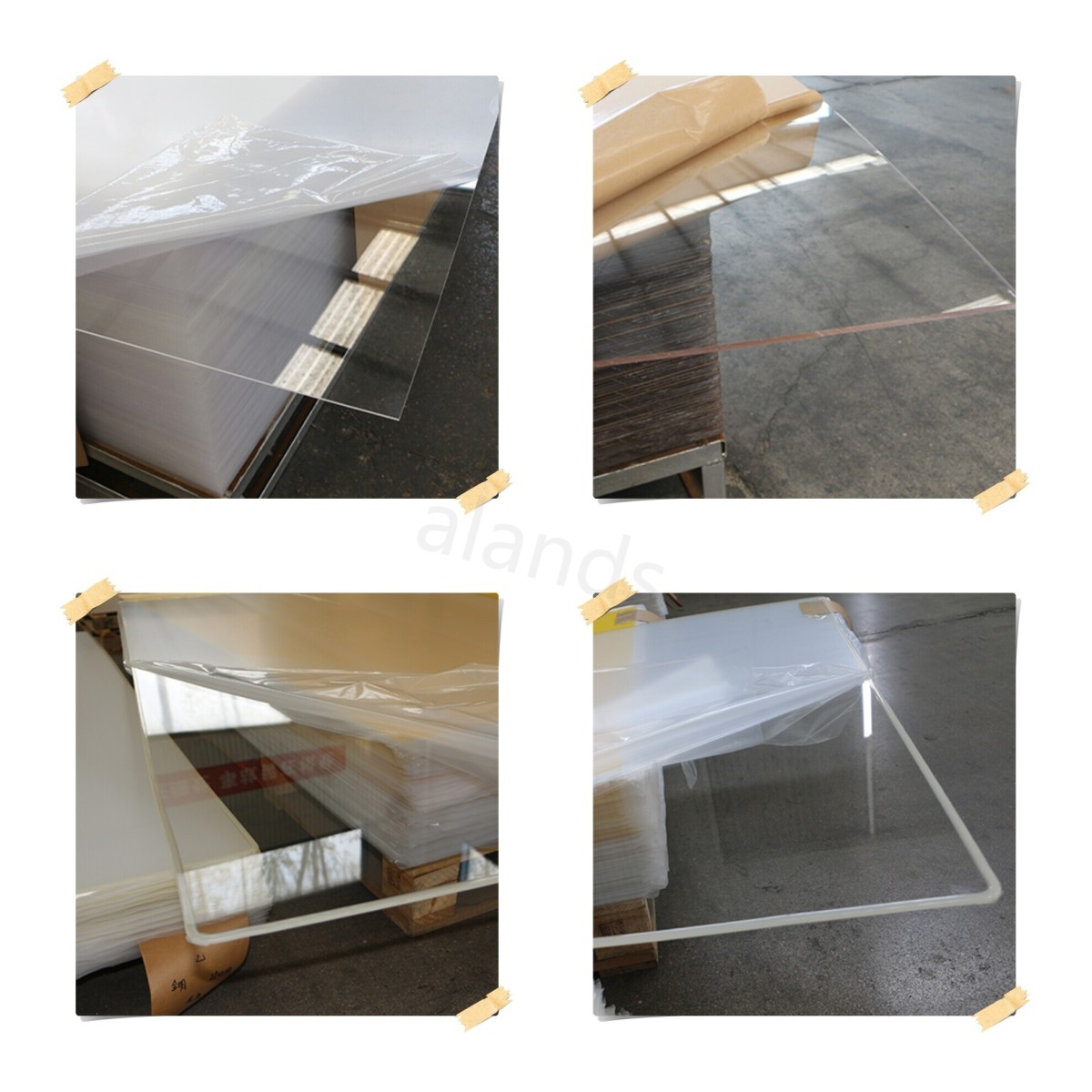
Acrylic sheet, sometimes called PMMA or Plexiglass, is a transparent plastic that’s lightweight, durable, and easy to shape. Because it’s clear and strong, it’s often used in windows, partitions, display cases, and protective barriers.
How Does Soundproofing Work?
To block sound, you usually need mass, density, and airtight construction. Heavy and thick materials resist vibrations and make it harder for sound waves to pass through. That’s why materials like concrete, brick, or laminated glass perform well in professional soundproofing.
How Acrylic Performs in Soundproofing
Strengths:
Acrylic is denser than many plastics, so it can reduce some noise.
It works especially well for high-frequency sounds, like voices or music.
It’s transparent, so it can be used where visibility matters—like windows or partitions.
Limitations:
Acrylic is less effective against low-frequency sounds, such as traffic rumble or heavy machinery.
It tends to reflect sound rather than absorb it, so it won’t stop echo inside a room.
On its own, it won’t provide the same isolation as specialized soundproof glass or acoustic panels.
Does Thickness Matter?
Yes. Thicker acrylic sheets block more sound because they have more mass. For light applications, 6–10 mm can make a noticeable difference. In noisier environments, 12–15 mm or more is recommended. However, beyond a certain point, adding thickness brings smaller improvements.
How to Improve the Results
If you want to use acrylic for soundproofing, you’ll get the best results by combining it with other methods:
Double panel with an air gap: Two acrylic sheets with a sealed gap in between block more noise than one thick sheet.
Proper sealing: Even tiny gaps around edges can let a lot of sound through.
Combination with acoustic materials: Adding foams, curtains, or laminated layers will further reduce noise.
Final Takeaway
So, is acrylic sheet good for soundproofing? The answer is: it helps, but it’s not a complete solution. Acrylic can reduce noise and is a practical choice for partitions, windows, and barriers where visibility is important. But for serious soundproofing—especially against low-frequency noise—it should be combined with other acoustic materials or multi-layer systems.
Contact Us
If you have any enquiry about quotation or cooperation, please feel free to use the following enquiry form. Our sales representative will contact you within 24 hours. Thank you for your interest in our products. "*" Indicates the Fields are Mandatory
Related Posts
Request A Quote! We'll respond as soon as possible(within 12 hours)
Leave A Message