


Complete Guide to Cutting PVC Foam Board: Methods by Thickness
PVC foam board is a lightweight, waterproof, and easy-to-process material widely used in advertising, decoration, packaging, and various industrial applications. Because the cutting method varies significantly depending on the board’s thickness, this guide provides a complete breakdown of the best tools and techniques for cutting PVC foam board by thickness.
Cutting Thin PVC Foam Board (1mm–3mm)
Characteristics of Thin PVC Foam Board
Very lightweight and flexible
Smooth surface but easily dented or bent
Commonly used for crafts, signage backing, and DIY projects
Cutting Methods for Thin PVC Foam Board
Utility Knife or Craft Knife (Recommended)
Use a metal ruler for guidance and score along the line multiple times
Ideal for straight or slightly curved cuts
Sand the edges lightly after cutting for a cleaner finish
Scissors (for ≤2mm only)
Quick and easy but may leave rough edges
Suitable for low-precision, small-scale tasks
Tip: Use a cutting mat or cardboard underneath to protect your surface and prevent slipping.
Cutting Medium-Thickness PVC Foam Board (3mm–8mm)
Characteristics of Medium-Thickness PVC Board
More rigid and stable
Widely used for advertising boards, interior wall panels, and partitions
Cutting Methods for Medium PVC Foam Board
Utility Knife (3–5mm only)
Score deeply along the line and snap the board along the cut
For best results, score both the front and back sides
Jigsaw (Electric Scroll Saw)
Best for cutting curves or intricate shapes
Use a fine-tooth blade designed for plastic to avoid chipping
Circular Saw or Table Saw
Ideal for straight, long cuts on larger boards
Use a fine-tooth blade (60+ teeth) to ensure a smooth edge
Pro Tip: Apply masking tape along the cutting line to reduce edge chipping.
Cutting Thick PVC Foam Board (8mm–20mm)
Characteristics of Thick PVC Foam Board
Strong and rigid
Used in cabinet backing, partitions, and structural panels
Cutting Methods for Thick PVC Foam Board
Electric Circular Saw or Table Saw (Highly Recommended)
Use a sharp, fine-tooth blade made for plastic materials
Keep cutting speed moderate to avoid melting or burn marks
CNC Router
Ideal for complex shapes, precision edges, and bulk cutting
Often used in professional or industrial settings
Laser Cutter (Use with Caution)
PVC can emit toxic chlorine gas when laser-cut
Only use in specialized environments with proper ventilation and filters
Safety Reminder: Always secure the board with clamps and wear safety goggles and a dust mask during cutting.
Cutting Extra-Thick PVC Foam Board (20mm and Above)
Characteristics of Extra-Thick PVC Foam Board
Very dense and heavy
Typically used for industrial-grade structures, outdoor applications, or heavy-duty paneling
Cutting Methods for Extra-Thick PVC Foam Board
Industrial Table Saw or Band Saw
High-power equipment ensures smooth, straight cuts
Suitable for cutting large boards with minimal deformation
CNC Machine (for advanced processing)
Offers high precision for grooving, drilling, or pattern cutting
Best for production-scale use
Note: For boards this thick, professional handling and safety gear are essential.
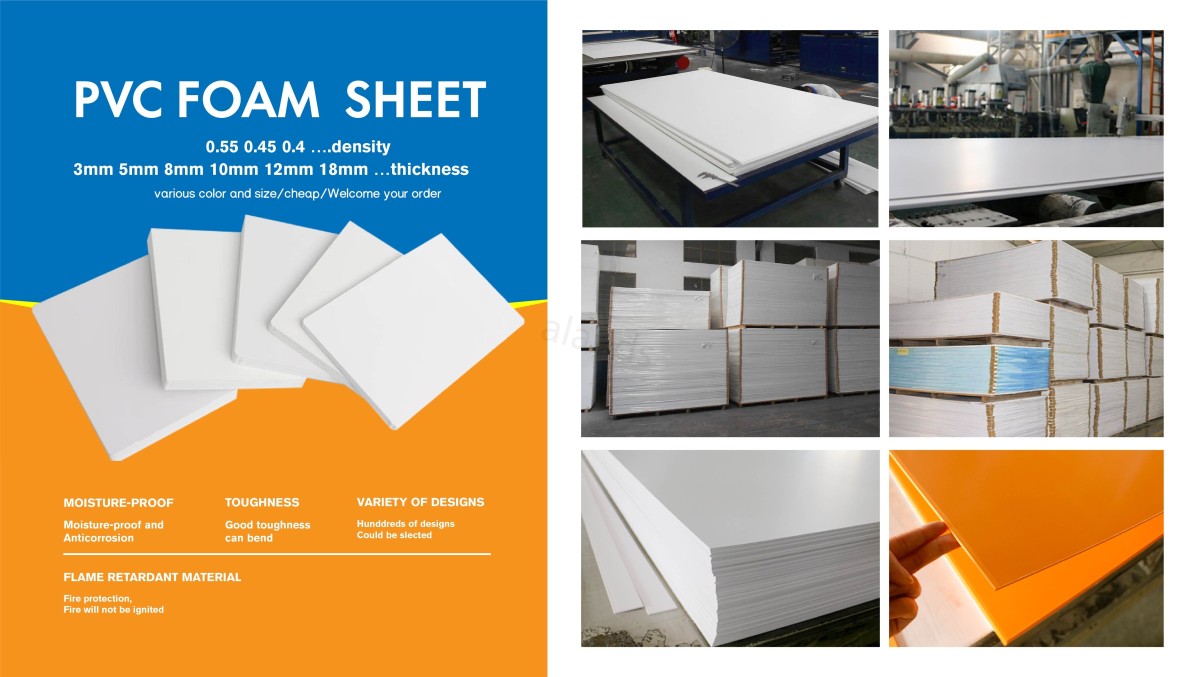
Quick Reference Table: PVC Foam Board Cutting Methods by Thickness
Conclusion
PVC foam board is an extremely versatile and easy-to-work-with material—as long as you use the right cutting method for its thickness. Whether you're doing hand-cut DIY or industrial-grade machining, understanding how thickness affects cutting will help you achieve cleaner results and safer operation.
Contact Us
If you have any enquiry about quotation or cooperation, please feel free to use the following enquiry form. Our sales representative will contact you within 24 hours. Thank you for your interest in our products. "*" Indicates the Fields are Mandatory
Related Posts
Request A Quote! We'll respond as soon as possible(within 12 hours)
Leave A Message