


‹
›
‹
›
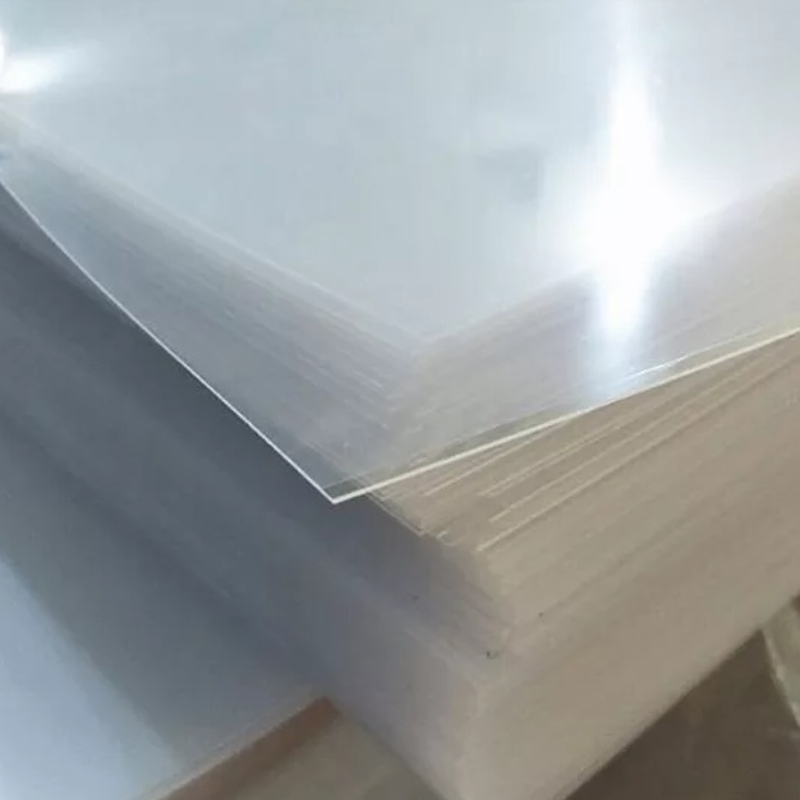
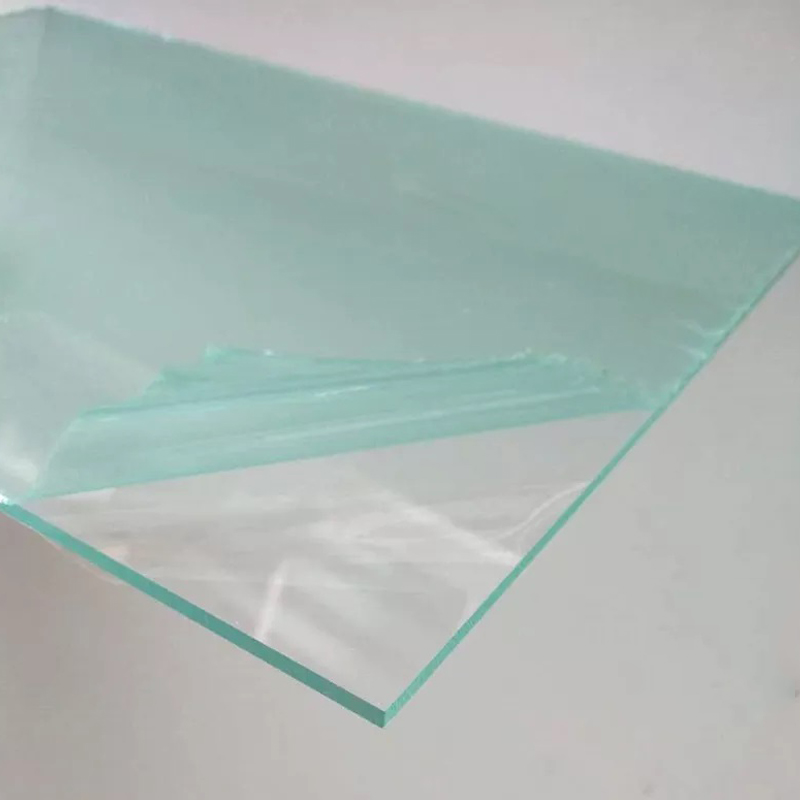
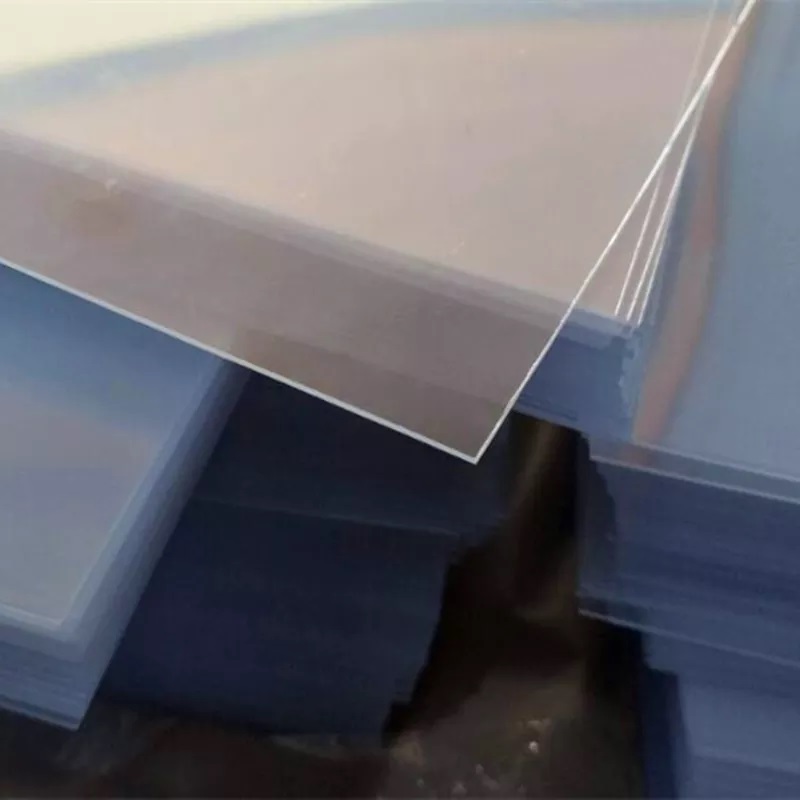
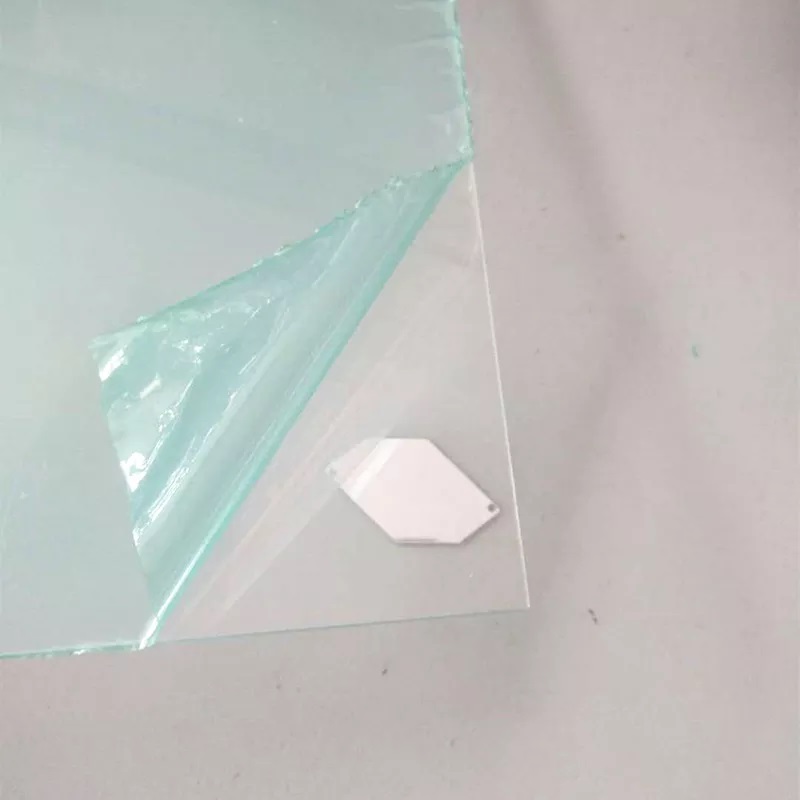
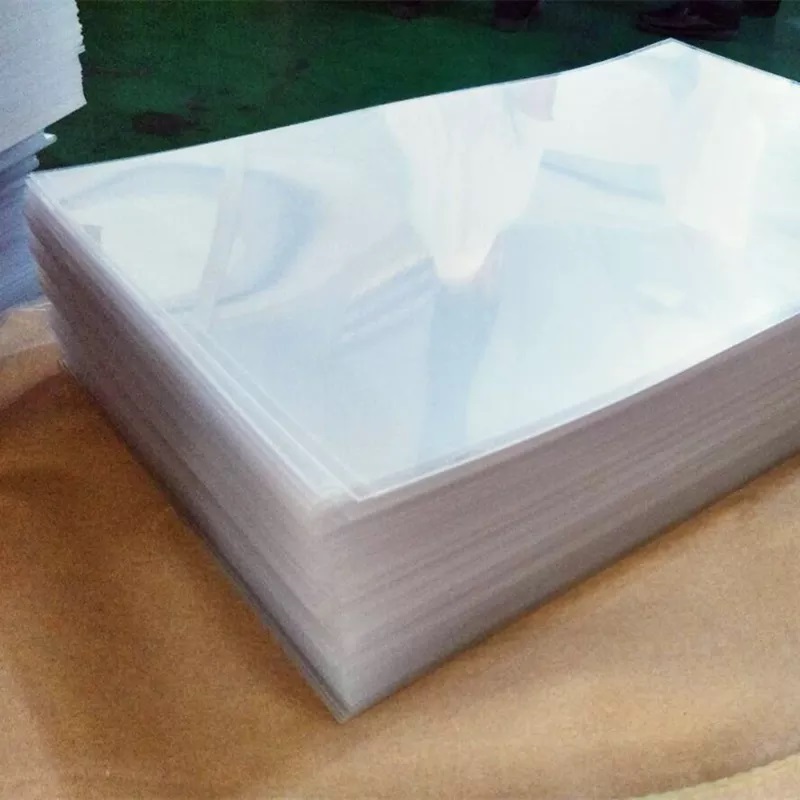
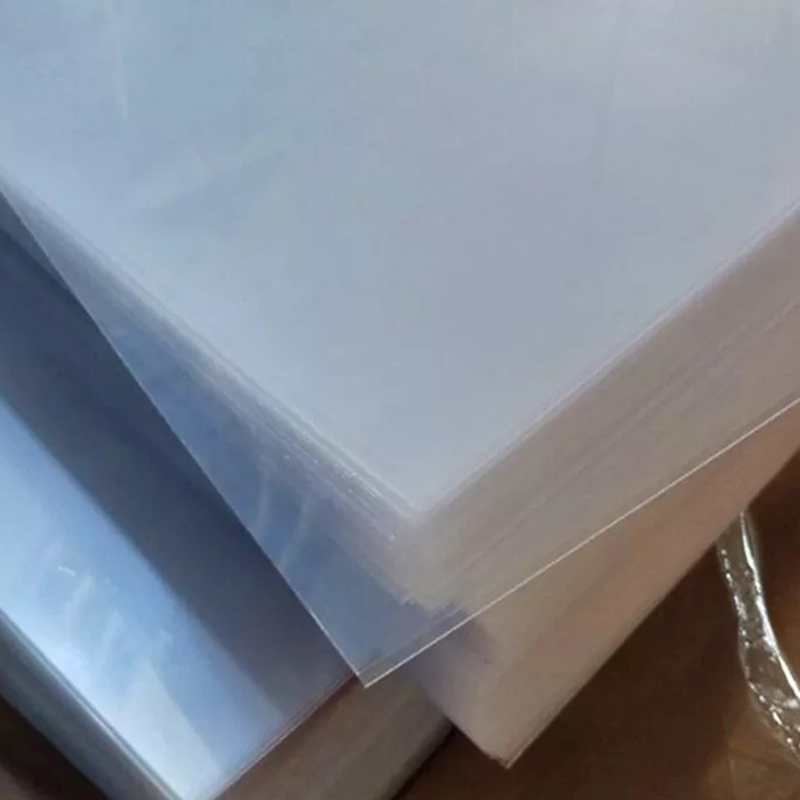
Transparency: Perfect transparency and the light transmittance with 93%.
Electrical insulation : Excellent electrical insulation, very light in weight
(MOQ:1000KG)
Differences Between PET and PETG Sheets
PET (Polyethylene Terephthalate) and PETG (Polyethylene Terephthalate Glycol-modified) are both commonly used thermoplastic sheets. However, they differ in performance, processing methods, and applications. Here’s a detailed comparison:
Main Composition
- PET (Polyethylene Terephthalate)
Made from terephthalic acid (PTA) and ethylene glycol (EG) through polymerization. It is a standard polyester plastic. - PETG (Polyethylene Terephthalate Glycol-modified)
A modified version of PET with added glycol, making it more flexible and impact-resistant.
Physical Properties
Processing Characteristics
Environmental & Recycling
- PET: 100% recyclable, widely used in food packaging and beverage bottles.
- PETG: Also recyclable, but slightly more complex due to glycol modification.
Typical Applications
Cost
- PET: More affordable, as it is a standard polyester material with a widespread supply.
- PETG: Slightly more expensive due to its modified formula and enhanced properties.
Selection Guide
- If you need rigidity, heat resistance, and lower cost, choose PET.
- If you require flexibility, high transparency, and easy processing, choose PETG.
Overall, PET is ideal for standard applications, while PETG is preferred in high-end packaging, medical, and advertising industries due to its superior impact resistance and ease of processing.
Features
- Weather Resistance: Strong surface hardness and good weather resistance.
- Transparency: High transparency with light transmittance up to approximately 93%.
- Electrical Insulation: Excellent electrical insulation while remaining lightweight.
- Plasticity: Good plasticity for easier processing and forming.
Applications
- Advertising: Silk screen printing, engraving materials, exhibition boards and display applications.
- Building & Decoration: Decorative sheets for indoor and outdoor use and storage racks.
- Vehicle & Transportation: Interior decoration for buses, trains, subways and ships.
- Furniture: Office furniture, kitchen cabinets and bathroom cabinets.
- Industrial Applications: Thermoformed products and environmental protection engineering.
- Other Uses: Moulding boards, moisture-resistant panels and lightweight partition plates.
FAQ: PET vs PETG Sheets
What is the difference between PET and PETG in terms of transparency?
PET has high transparency, while PETG offers even better optical clarity, making it suitable for applications where clear product visibility is important, including packaging and display applications.
Can PET and PETG be used for food packaging?
Yes. Both PET and PETG are used in packaging applications. PET is widely used for beverage bottles and food containers, while PETG is also used where greater clarity and forming performance are required.
Which material is more flexible, PET or PETG?
PETG is generally more flexible and less brittle than PET. Its improved toughness makes it useful for formed parts, protective covers, displays and industrial applications.
Is PETG easier to process than PET?
Yes. PETG is generally easier to thermoform and fabricate than PET, particularly when producing shaped displays, covers, trays and other fabricated sheet products.
Request A Quote! We'll respond as soon as possible(within 12 hours) MOQ:1000KG
Related Products
 Acrylic Large Sheets Manufacturer – Alands Acrylic SheetAlands manufactures and exports large-size acrylic sheets for global industrial, commercial, and decorative use. Our sheets are made from 100% virgin PMMA (polymethyl methacrylate) through a precise casting process that ensures exceptional optical clarity, consistent thickness, and excellent weather resistance.
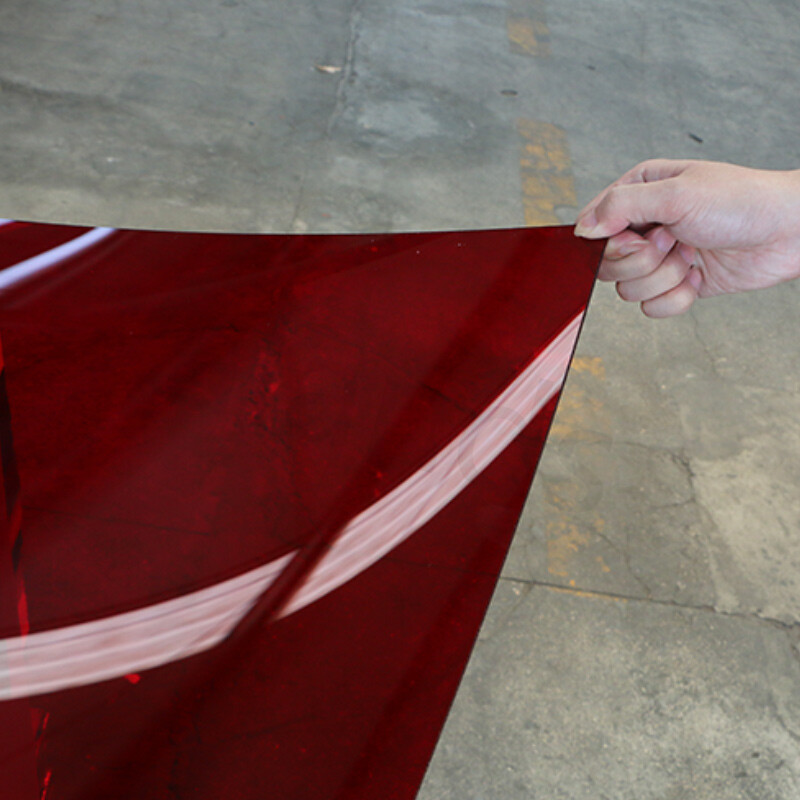
Unlike many suppliers who rely on recycled materials, Alands guarantees high purity and uniform molecular structure in every sheet. This ensures long-term clarity, better machining performance, and extended durability even in outdoor environments. Translucent Red Plexiglass Sheet | Semi-Transparent PMMA BoardThe translucent red plexiglass sheet is made of PMMA (polymethyl methacrylate), featuring a semi-transparent red finish. It combines striking aesthetics with high performance — lightweight, impact resistant, and weatherproof. This sheet allows light to pass through with a soft effect, making it ideal for illuminated signage, decorative panels, and artistic designs.
Semi-transparent red color, eye-catching and stylish
High light transmission (60–70%) with soft diffusion
Lightweight and stronger than glass, shatter-resistant
UV-resistant, anti-aging, suitable for indoor & outdoor use
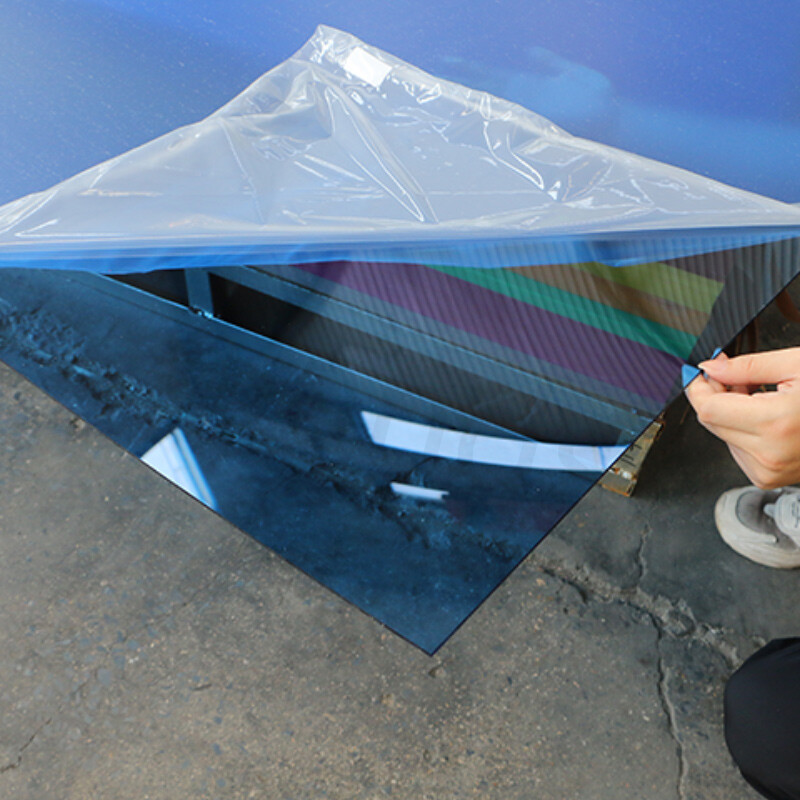
Easy to cut, engrave, drill, or thermoform Translucent Blue Plexiglass Sheet | Semi-Transparent PMMA PanelThe translucent blue plexiglass sheet is manufactured from PMMA (polymethyl methacrylate). It features a semi-transparent blue finish, allowing light to pass through softly while maintaining privacy. Lightweight, durable, and easy to fabricate, this plexiglass sheet is ideal for signage, furniture, partitions, and creative projects.
Semi-transparent blue color, stylish and versatile
Lightweight and shatter-resistant, safer than glass
UV-resistant and weatherproof for outdoor use
Easy to cut, engrave, drill, and thermoform
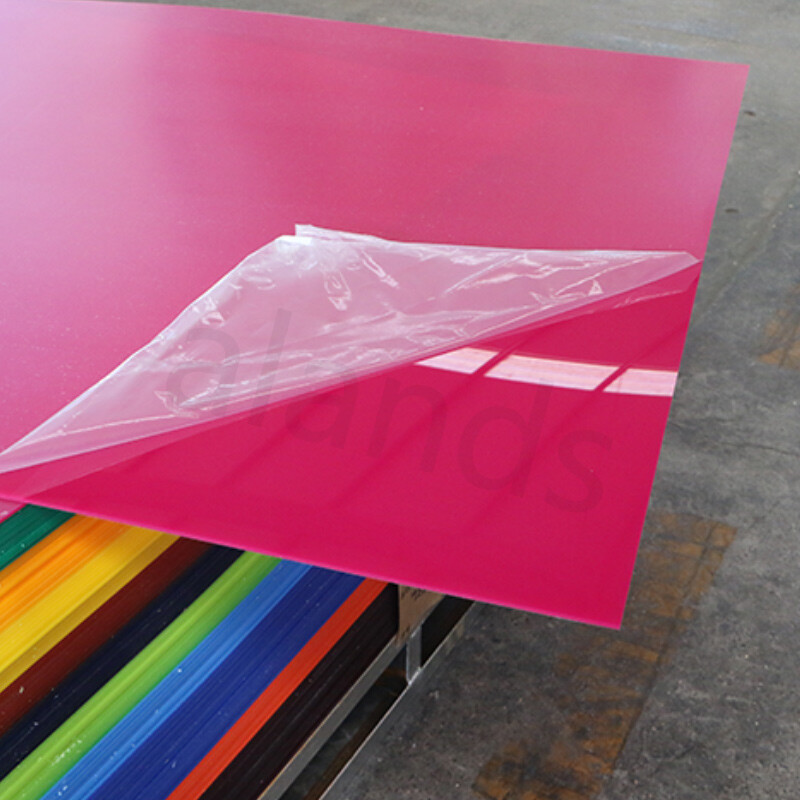
Protective film ensures scratch-free delivery Rose Red Plexiglass Sheet | Opaque Pink PMMA Board Meta DescriptionThe rose red plexiglass sheet (opaque pink plexiglass) is made from PMMA (polymethyl methacrylate). With its eye-catching rose red color, it provides a strong decorative effect while maintaining the durability and workability of plexiglass. Lightweight, shatter-resistant, and easy to fabricate, it is widely used in advertising, home decoration, retail display, and industrial applications.
Attractive rose red solid color, non-transparent
Lightweight and impact resistant (half the weight of glass)
Weatherproof, UV-resistant, suitable for indoor and outdoor use
Easy to cut, engrave, drill, and thermoform
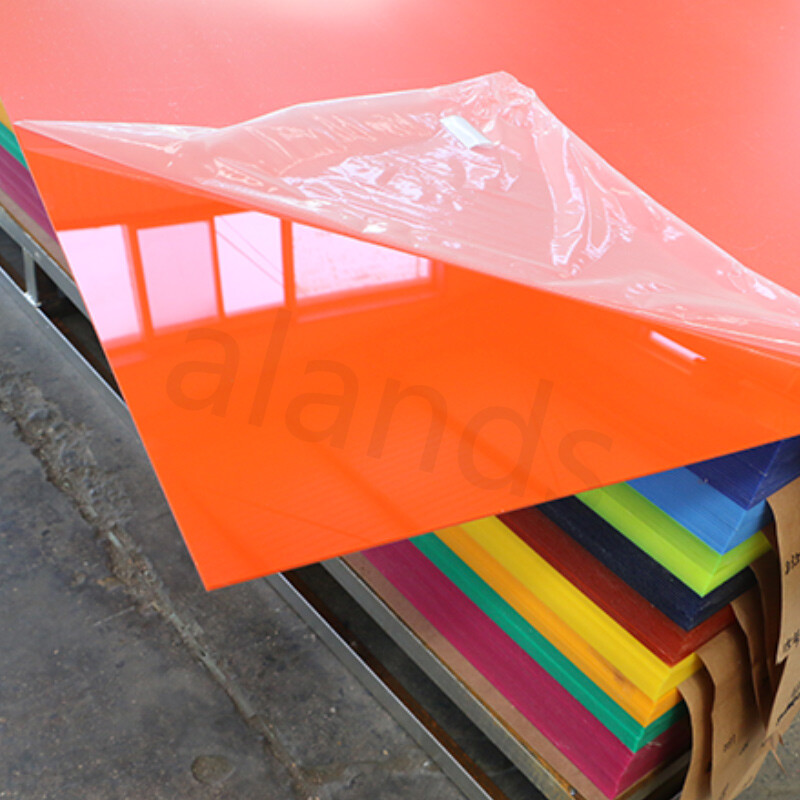
Protective film prevents scratches during handling Orange Acrylic Sheet – Industrial Grade, Custom Sizes & Bulk WholesaleThe Orange Acrylic Sheet is a high-performance, durable, and weather-resistant plastic panel specifically engineered for industrial and commercial applications. Its vibrant orange tone provides excellent visibility and strong color consistency, making it ideal for safety signage, retail display systems, exhibition booths, construction panels, and interior décor.
Manufactured from 100% virgin PMMA, these sheets deliver superior clarity, machining stability, and consistent quality. Compared to glass, acrylic is lighter, safer, and up to 10× stronger in impact resistance, which reduces handling risks and long-term replacement costs.
Color: Orange
Thickness Options: 2mm – 10mm (OEM customization available)
Size: 1220mm × 2440mm (custom cut sizes available)
Material: 100% Virgin PMMA acrylic
Light Transmission: Approx. 92% (clear reference; slightly reduced for colored sheets)
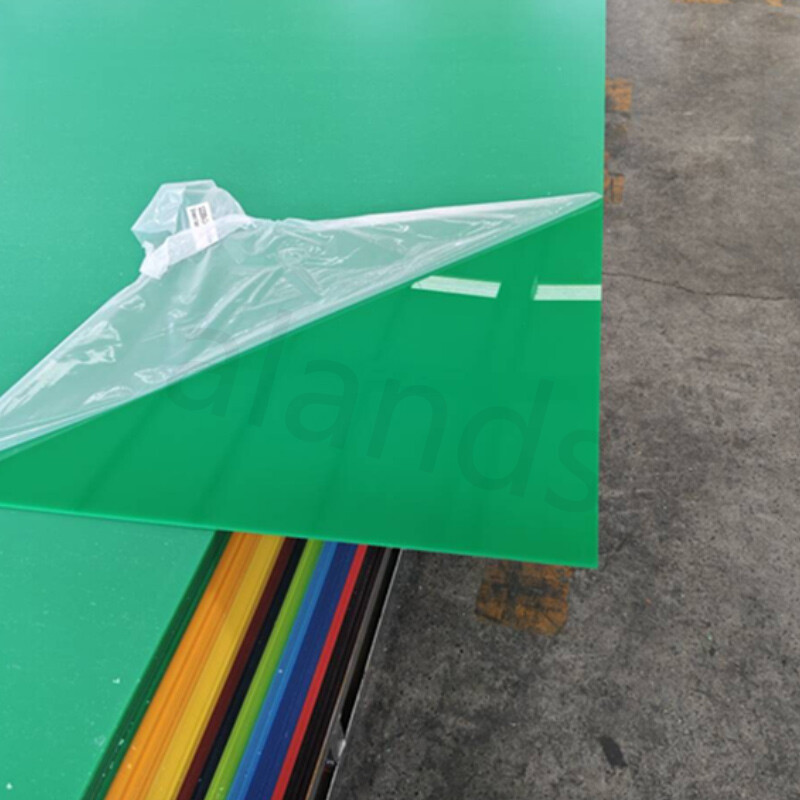
Temperature Resistance: -20℃ to 80℃ Green Acrylic Sheet – Industrial Grade, Custom Sizes & Bulk SupplyThe Green Acrylic Sheet is a high-strength, lightweight, and weather-resistant plastic panel designed for industrial, commercial, and wholesale applications. Its rich green finish provides strong visibility and branding potential, making it ideal for signage, construction panels, point-of-sale displays, interior décor, and protective coverings.
Manufactured from 100% virgin PMMA, these sheets guarantee consistent quality, excellent machining performance, and compliance with international safety standards. Compared to glass, they are lighter, 10× more impact-resistant, and safer to handle, making them highly suitable for industrial and retail projects.
Color: Green
Thickness Options: 2mm – 10mm (customizable, OEM available)
Size: 1220mm x 2440mm (custom cut-to-size upon request)
Material: 100% Virgin PMMA acrylic
Light Transmission: Approx. 92% (clear reference; slightly lower for green)
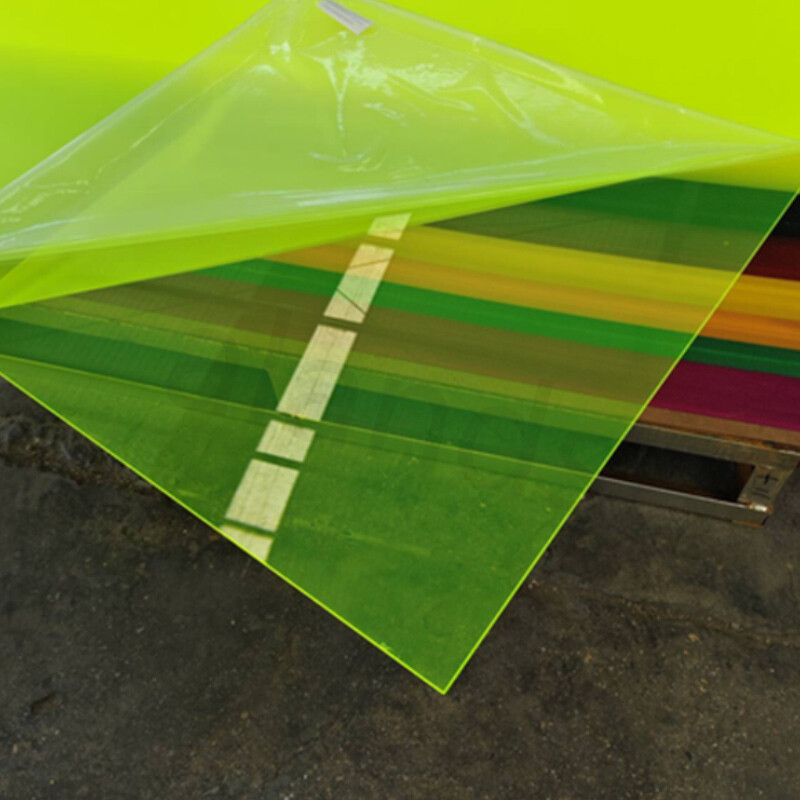
Temperature Resistance: -20℃ to 80℃ Fluorescent Green Acrylic Sheet – High-Visibility, Durable & Versatile Plastic PanelThe Fluorescent Green Acrylic Sheet is a high-visibility, durable, and lightweight plastic sheet designed for both functional and decorative applications. Its vibrant fluorescent green glow makes it especially suitable for advertising, signage, exhibition displays, DIY projects, and creative décor.
Compared with traditional glass, acrylic sheets are lighter, shatter-resistant, and more impact-resistant, while maintaining excellent clarity and easy processability. The sheet comes with a smooth glossy surface, protected by a double-sided film, ensuring long-lasting brightness and durability.
Color: Fluorescent Green
Thickness Options: 2mm – 10mm (customizable)
Size: 1220mm x 2440mm (custom cut available)
Material: 100% premium PMMA acrylic
Light Transmission: Approx. 92% (reference for clear sheet; slightly lower for fluorescent colors)
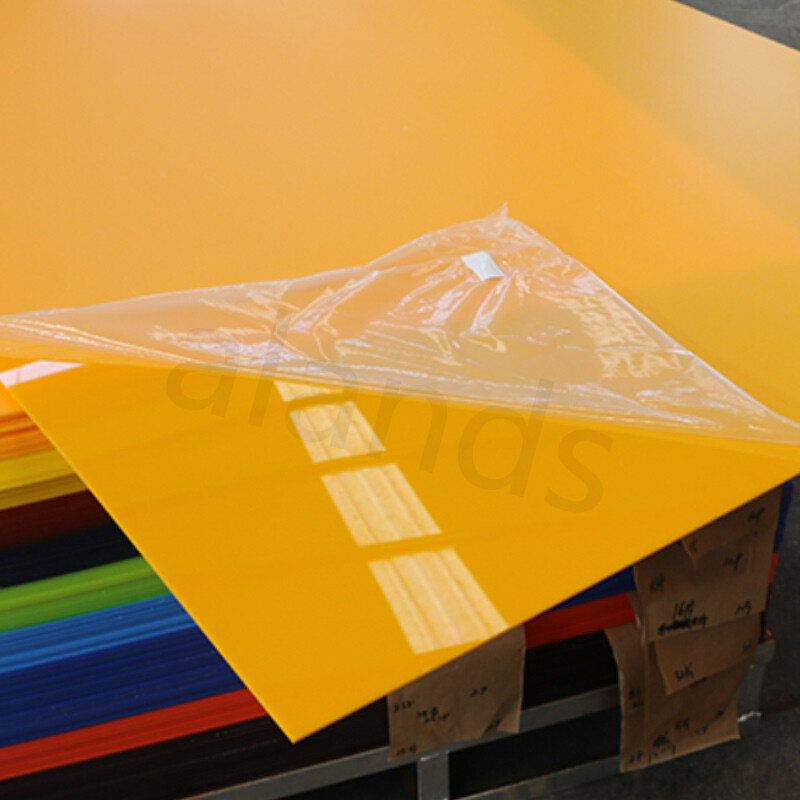
Temperature Resistance: -20℃ to 80℃ Bright Yellow Acrylic Sheet – Durable, Lightweight & Versatile Plastic PanelThe Bright Yellow Acrylic Sheet is a durable, lightweight, and weather-resistant plastic panel widely used in signage, exhibition displays, interior decoration, DIY projects, and crafts. Its vibrant bright yellow color provides excellent visual appeal, making it ideal for highlighting brand presence and creative designs.
Compared to glass, acrylic sheets are lighter, stronger, and more impact-resistant, while maintaining excellent light transmission and processing flexibility. The surface is smooth, easy to clean, and designed for long-term use.
Color: Bright Yellow
Thickness Options: 2mm – 10mm (customizable)
Size: 1220mm x 2440mm (custom cut available)
Material: 100% premium PMMA acrylic
Light Transmission: Approx. 92% (reference for clear sheet)
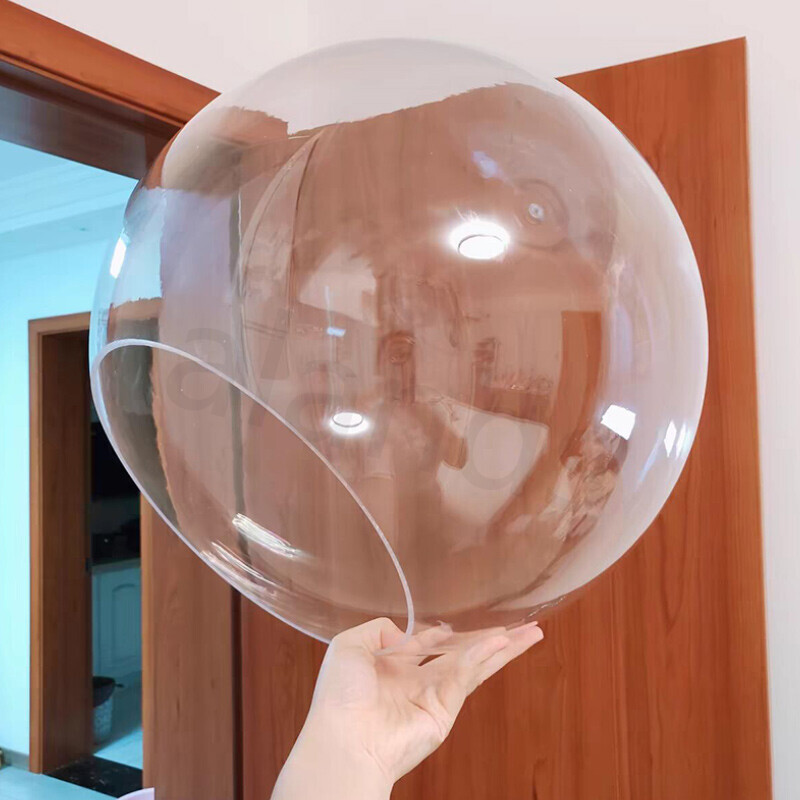
Temperature Resistance: -20℃ to 80℃ Acrylic Sphere – Crystal Clear, Lightweight, and CustomizableOur high-quality acrylic spheres offer a flawless, glass-like appearance without the fragility. Perfect for displays, art projects, lighting, or retail decor, these spheres are shatter-resistant, ultra-lightweight, and available in custom sizes or colors.
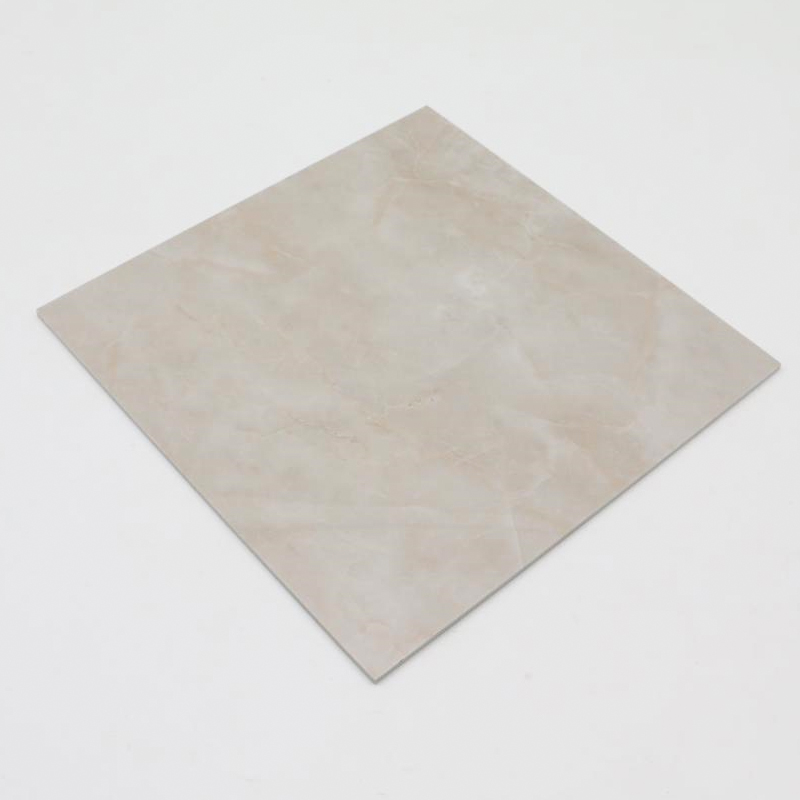
Looking for a unique shape or finish? Contact us today for tailored solutions and bulk pricing! Marble PVC Sheets – Wholesale & Custom | Alands PlasticAlands Plastic offers durable, decorative marble PVC sheets for interior use. Designed to look like natural marble, these sheets are lightweight, waterproof, and easy to install—perfect for walls, cabinets, furniture, and more.
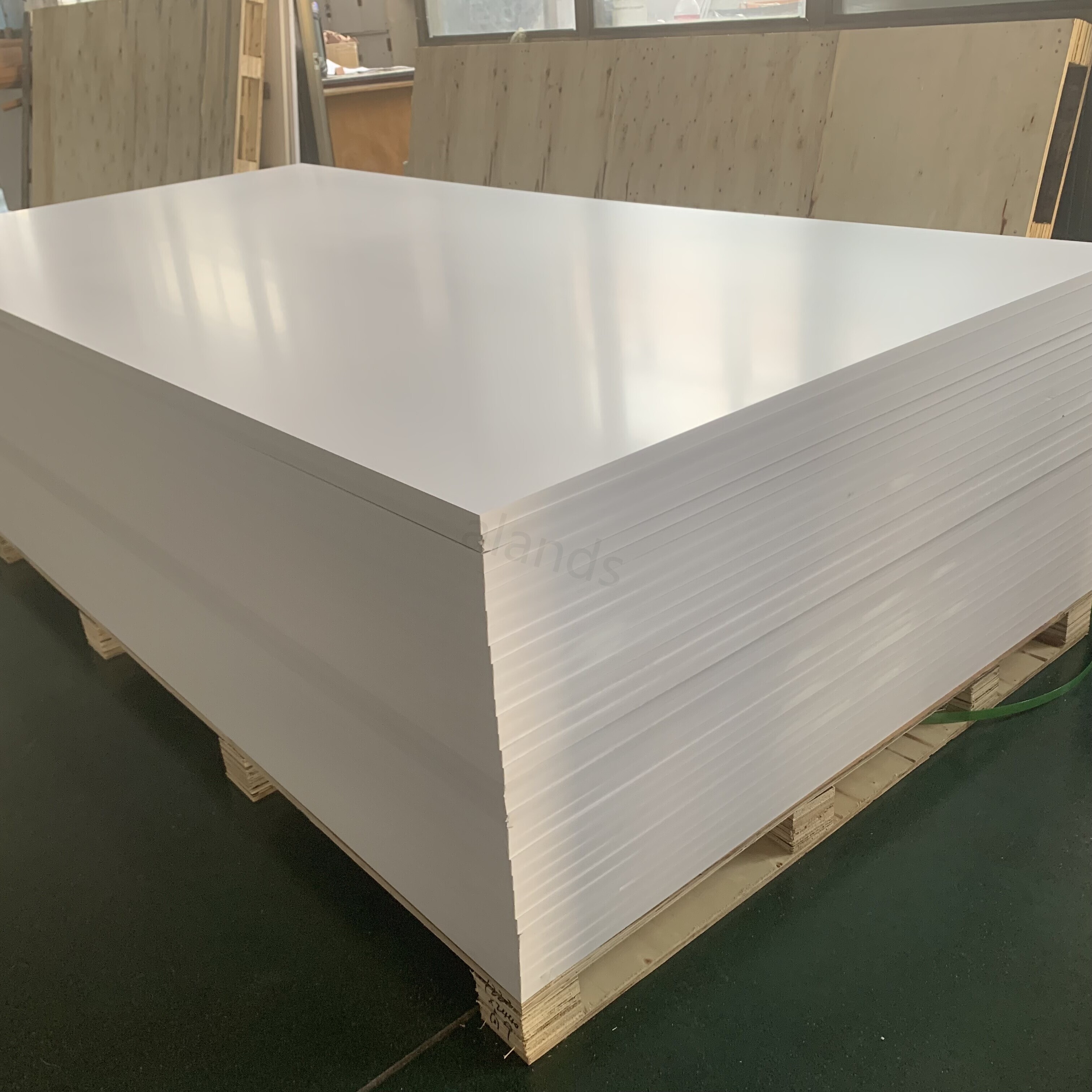
 4x8 PVC Foam SheetsOur 4x8 PVC sheets are lightweight, waterproof, and easy to cut, print, laminate, and fabricate. They are widely used for signage, displays, wall panels, partitions, cabinets, interior decoration, and other commercial applications.
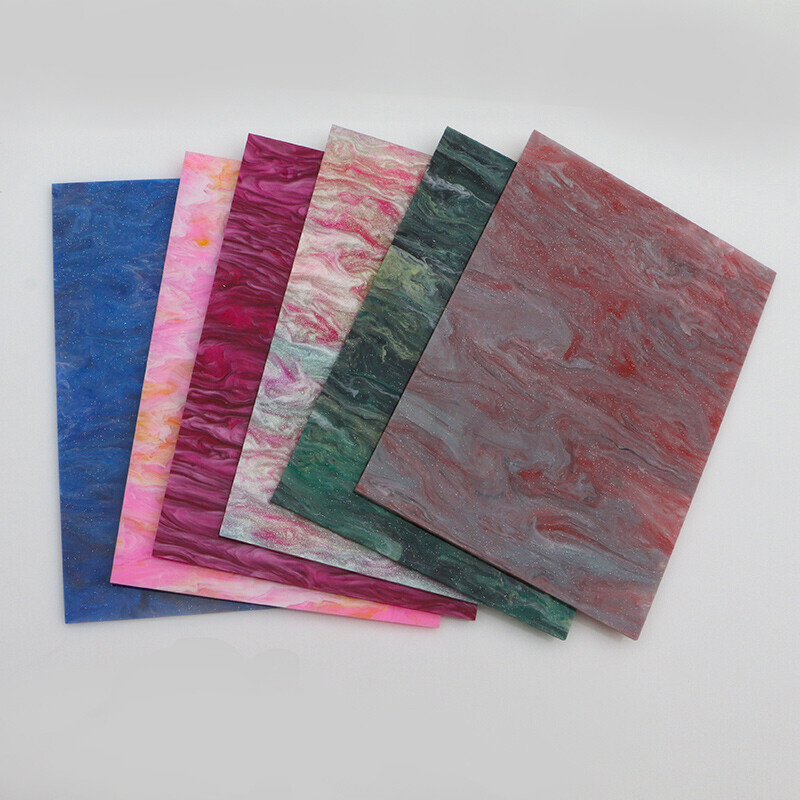
Designed for B2B buyers, fabricators, distributors, and project contractors, we provide stable bulk supply with multiple thickness and specification options to meet different processing and project requirements. Acrylic Sheet Marble
Leave A Message