


Understanding the Role of Acrylic Tubes Across Industries
Acrylic tubes are everywhere—often unnoticed but crucial to the form and function of modern environments. Whether it's a clear tube encasing a light fixture or a precisely cut cylinder moving air or fluids in a laboratory, acrylic plays a quiet but essential role. Made from polymethyl methacrylate (PMMA), this material combines excellent light transmission, toughness, and design flexibility.
As an alternative to glass and other rigid plastics, acrylic tubes are used in sectors ranging from architecture and retail to engineering, healthcare, and marine design. Their ability to balance strength with aesthetic appeal makes them especially popular in both technical and visual applications.
What Makes Acrylic Tubes So Useful?
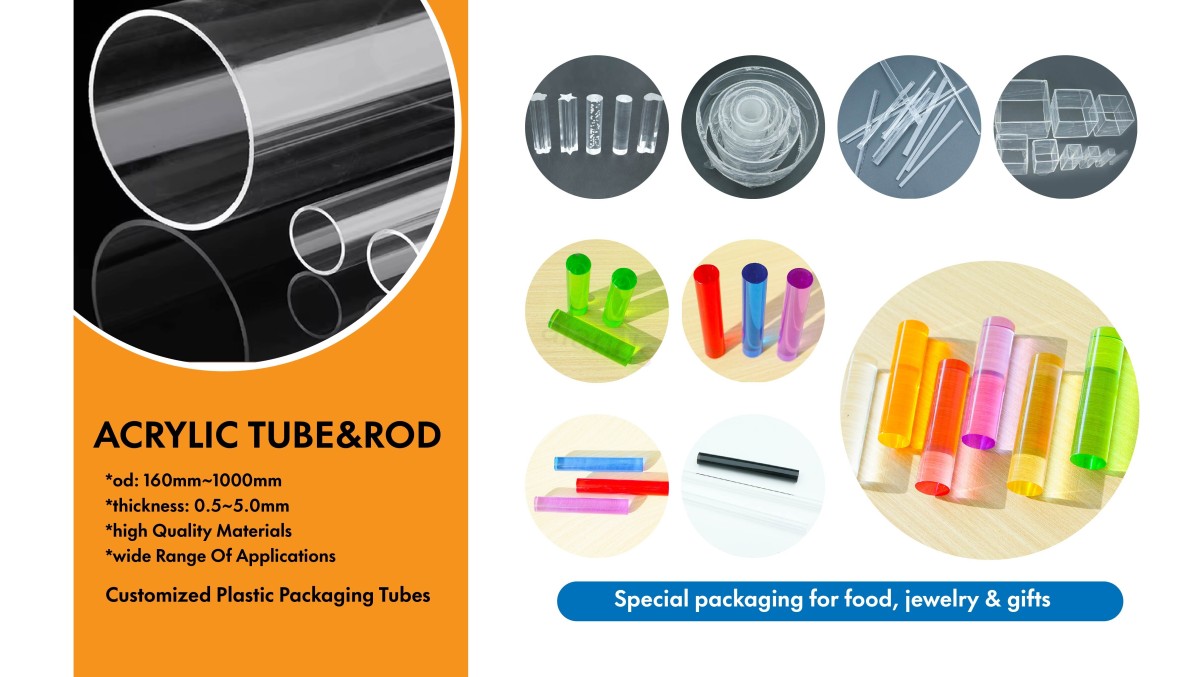
An acrylic tube is a hollow cylinder of plastic that can be either clear or colored. It's made either through extrusion, which is cost-effective and yields consistent wall thickness, or casting, which results in better clarity and higher mechanical strength.
Their appeal comes from their versatility:
They’re optically clear—up to 93% light transmission
Lighter than glass but significantly stronger
Easy to cut, bend, polish, or glue
Resistant to UV radiation and weathering
Chemically stable in many non-extreme conditions
Acrylic tubes are available in a wide variety of diameters, wall thicknesses, lengths, and finishes. They can be frosted, tinted, mirrored, or even fluorescent, depending on what’s needed.
Where Acrylic Tubes Show Up in Real-World Use
In Retail and Display Design
Retail designers often use acrylic tubes to showcase products or create modern display elements. Because they’re lightweight and won’t shatter like glass, they’re ideal for store window features, shelf risers, or enclosing high-end products in a safe but stylish way.
In Lighting and Interior Architecture
Acrylic’s light-diffusing qualities make it an excellent choice for LED housings, architectural columns, and sculptural lighting features. Tinted or frosted tubes can give off a soft glow, while clear tubes can create a futuristic aesthetic in galleries, lobbies, or restaurants.
In Aquarium and Marine Projects
You’ll find acrylic tubes used in aquariums as overflow pipes, water circulation channels, or even as the structural shell of custom cylindrical tanks. Their clarity lets viewers see aquatic life with minimal distortion, and their strength ensures long-term safety even under water pressure.
In Medical and Lab Equipment
Precision and visibility are key in lab environments. Acrylic tubes are used for air or liquid flow systems, sample viewing chambers, and protective casings. They’re especially valued for their stability under moderate vacuum or pressure conditions, and for allowing clear observation of internal processes.
In Engineering and Industry
Acrylic tubes are frequently used in systems where both transparency and strength are needed. Common examples include:
Sight glass tubes for tanks and piping systems
Level indicators for storage vessels
Pneumatic and vacuum system channels
Airflow or chemical flow monitoring systems
They may not be suitable for highly reactive chemicals or high-temperature applications (where polycarbonate or glass may perform better), but for visual clarity and light-duty strength, they’re an excellent choice.
In DIY, Art, and Custom Projects
In the maker world, few materials are as adaptable as acrylic. People use tubes to build everything from terrariums to cosplay props, decorative lamp bodies to modern furniture. Their clean lines and ability to be shaped or bonded make them a favorite for both hobbyists and professional designers.
Choosing Between Acrylic, Glass, and Polycarbonate
Tailoring Acrylic Tubes to Specific Needs
Manufacturers offer a range of customizations depending on what you’re building. These might include:
Custom diameters and wall thicknesses
Clear, frosted, or colored finishes
UV-resistant coatings for outdoor use
Cut-to-length options
Ends sealed, flanged, or left open
Whether you need something purely functional or highly decorative, chances are you can find—or fabricate—a tube that meets your needs.
Tips for Maintaining Acrylic Tubes
To get the most life and clarity out of an acrylic tube:
Clean with mild soap and water or plastic-safe cleaners
Avoid harsh solvents like ammonia or alcohol
Use a microfiber cloth to avoid surface scratches
Store in a cool, dry place out of direct sunlight when not in use
Polishing compounds are available for removing minor surface blemishes, and scratch-resistant coatings can be applied for long-term durability.
Why Acrylic Tubes Continue to Be a Smart Choice
From clear sightlines in machinery to bold design features in public spaces, acrylic tubes serve a wide spectrum of roles with reliability and style. Their transparency, formability, and structural strength make them a natural fit in modern manufacturing and design.
As materials evolve, acrylic remains relevant by balancing cost, performance, and presentation—making it not just a practical choice, but often the most elegant one.
Frequently Asked Questions
What is the difference between extruded and cast acrylic tubes?
Extruded acrylic tubes are made by pushing melted acrylic through a mold, which results in consistent wall thickness and lower cost. Cast acrylic tubes are formed by pouring liquid acrylic into molds, producing higher optical clarity, better strength, and improved resistance to stress cracking. Cast tubes are ideal for high-end or performance-sensitive applications.
Can acrylic tubes be used outdoors?
Yes, acrylic tubes perform well outdoors when they are UV-stabilized. They are resistant to yellowing, cracking, and fading under sunlight, which makes them suitable for architectural lighting, signage, or decorative installations. However, long-term exposure without UV treatment can affect clarity and strength.
Are acrylic tubes safe for aquariums and fish tanks?
Acrylic tubes are safe for use in aquariums, provided they are made from non-toxic, aquarium-grade acrylic. They’re often used for overflow systems, tank connectors, and decorative water features. Their strength and clarity make them a better alternative to glass for many marine applications.
How do I clean an acrylic tube without scratching it?
Use a soft, non-abrasive cloth and a mild soap solution or acrylic-safe cleaner. Avoid ammonia-based products like common glass cleaners, which can damage the surface. For scratches, plastic polishes made for acrylic can restore clarity.
What’s the maximum temperature acrylic tubes can handle?
Acrylic softens at around 100°C (212°F), so it’s not recommended for high-temperature applications. It works well in room-temperature or moderately warm environments, but for heat-resistant needs, polycarbonate may be a better option.
Contact Us
If you have any enquiry about quotation or cooperation, please feel free to use the following enquiry form. Our sales representative will contact you within 24 hours. Thank you for your interest in our products. "*" Indicates the Fields are Mandatory
Related Posts
Request A Quote! We'll respond as soon as possible(within 12 hours)
Leave A Message