


Acrylic Sheet Guide: Common Questions About Acrylic Sheets
Acrylic sheet is widely used in signage, retail displays, interior decoration, furniture, lighting, and industrial fabrication.
Acrylic Sheet, Plexiglass, Perspex, and Acrylic Glass are common names used in different markets. Most of these products are based on PMMA.
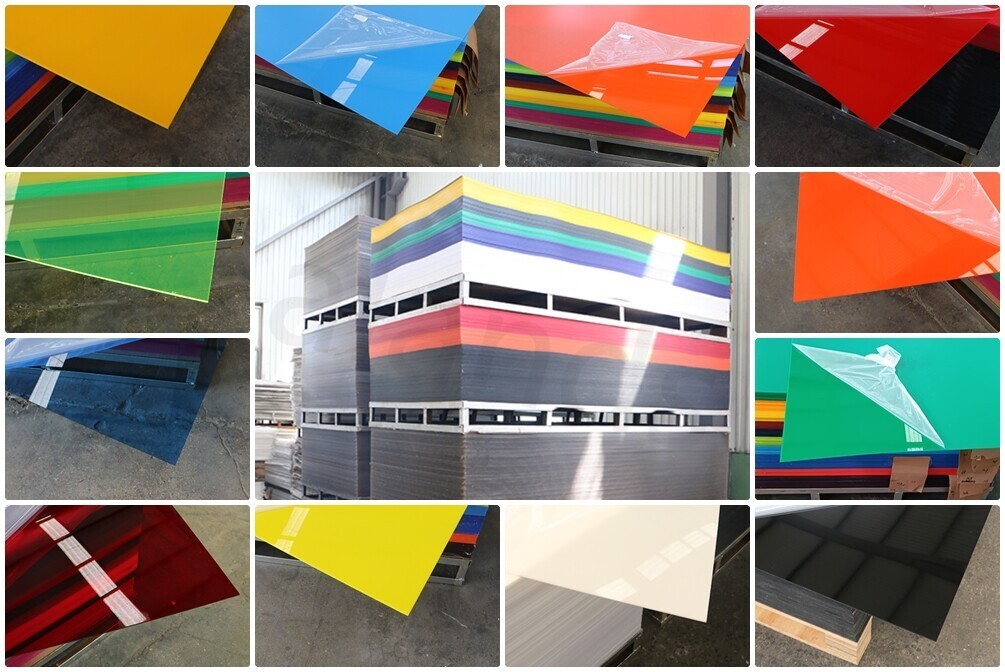
Acrylic sheets are available in clear, colored, white, black, frosted, mirrored, and translucent finishes. They can also be cut, drilled, polished, bent, engraved, and CNC machined.
Here are some of the most common questions about acrylic sheets.
What Is Acrylic Sheet?
Acrylic sheet is a thermoplastic sheet made from polymethyl methacrylate, commonly known as PMMA.
Clear acrylic offers high optical clarity while weighing less than ordinary glass. It is widely used where transparency, lower weight, and easy fabrication are required.
Common acrylic sheet types include:
- Clear acrylic sheet
- Colored acrylic sheet
- White acrylic sheet
- Black acrylic sheet
- Frosted acrylic sheet
- Acrylic mirror sheet
- Opal acrylic sheet
- Transparent colored acrylic sheet
Clear acrylic is commonly used for displays, guards, and transparent panels. Opal acrylic is widely used in light boxes and lighting fixtures. Colored, frosted, and mirrored sheets are popular in signage, furniture, and decorative applications.
What Is Acrylic Sheet Made Of?
Acrylic sheet is made from polymethyl methacrylate, or PMMA.
PMMA is a thermoplastic material that softens when heated and can be formed into different shapes.
Finished sheets can be cut, drilled, engraved, bent, polished, bonded, and machined.
These fabrication options make acrylic useful for signs, display stands, furniture components, protective panels, and custom-made parts.
How Are Acrylic Sheets Made?
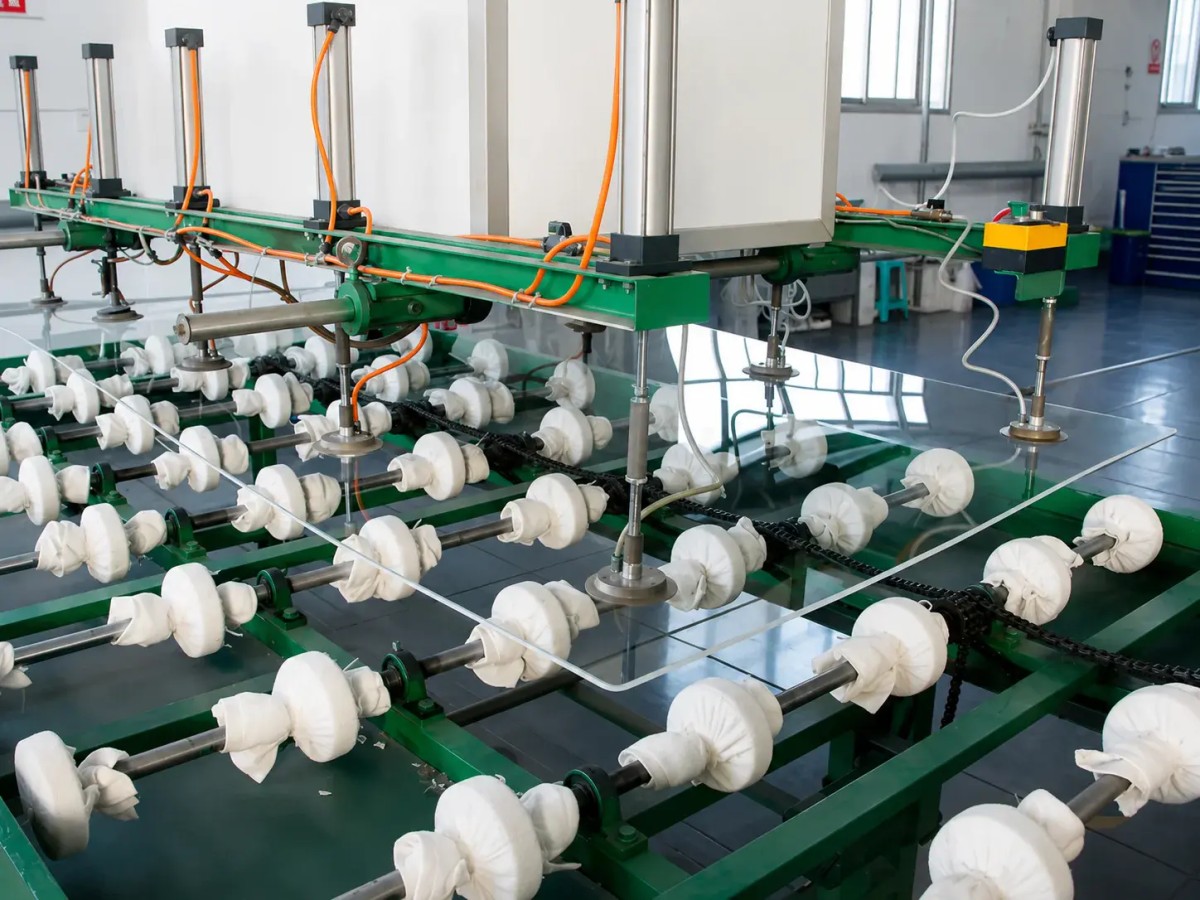
Commercial acrylic sheets are mainly produced by casting or extrusion.
Cast acrylic is made by polymerizing liquid raw material inside molds or between glass plates. After curing, the sheet is removed, inspected, and cut to size.
Extruded acrylic is produced from PMMA resin pellets. The material is heated, melted, pushed through an extrusion die, cooled, and cut into sheets.
Both processes are used to manufacture clear acrylic as well as different colors and thicknesses.
Sheet thickness, color, surface finish, size, and fabrication requirements are usually more important purchasing factors than the production method alone.
Projects involving laser work, special colors, thick sheets, or specialty finishes may require a specific production process.
Are Plexiglass and Acrylic Sheet the Same?
Plexiglass is commonly used as a general name for acrylic sheet.
Acrylic is the material name. Plexiglas originally referred to a brand name, but the term Plexiglass is now widely used for clear acrylic sheet in many markets.
Perspex is another well-known trade name associated with acrylic.
Common names found in product searches and inquiries include:
- Acrylic Sheet
- Plexiglass Sheet
- Perspex Sheet
- Acrylic Glass
- PMMA Sheet
These names do not define the exact product specification.
Color, size, thickness, surface finish, and fabrication requirements still need to be confirmed before ordering.
What Sizes and Thicknesses Do Acrylic Sheets Come In?
Acrylic sheets are produced in many standard sizes.
One of the most common international sheet sizes is:
1220 × 2440 mm, or approximately 4 × 8 ft.
Other common sizes include:
- 1000 × 2000 mm
- 1220 × 1830 mm
- 1250 × 2500 mm
- 1500 × 3000 mm
Available sizes vary by sheet type, thickness, and production line.
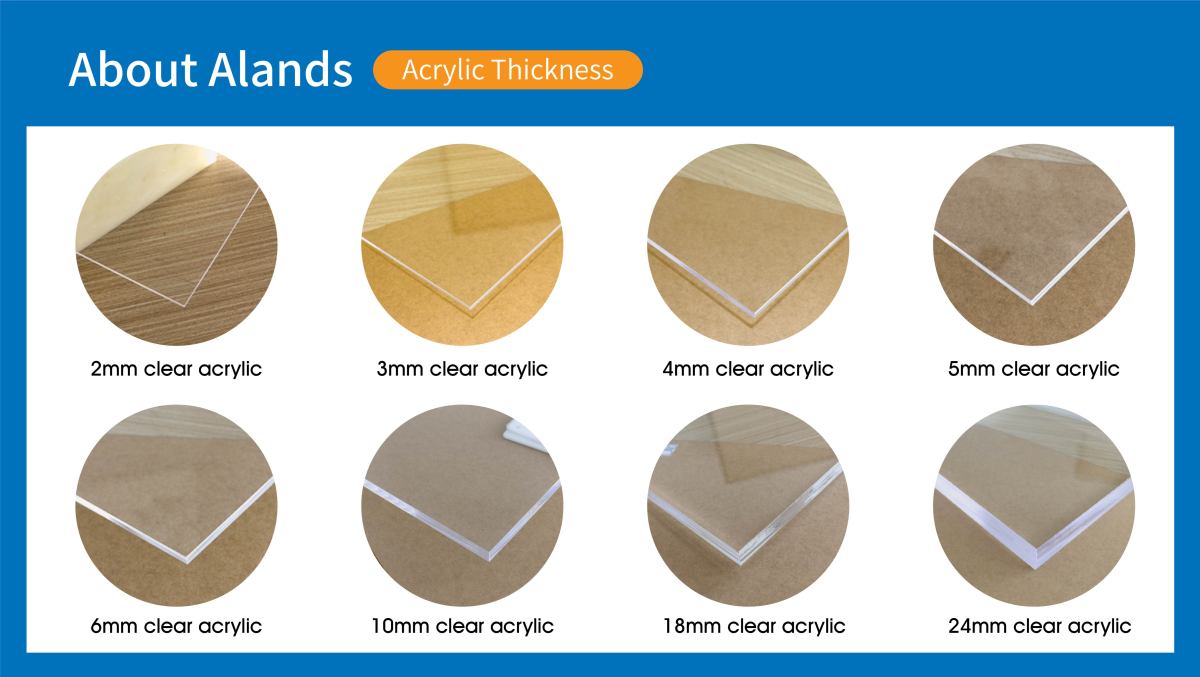
Common thicknesses include:
2 mm, 3 mm, 4 mm, 5 mm, 6 mm, 8 mm, 10 mm, 12 mm, 15 mm, 20 mm, and 25 mm.
North American buyers also commonly use:
- 1/8 inch
- 1/4 inch
- 3/8 inch
- 1/2 inch
An order should specify the sheet size, thickness, color, quantity, and cutting requirements.
Thickness tolerance should also be checked for mechanical assembly, slot fitting, precision machining, or other dimension-sensitive applications.
What Are the Benefits of Acrylic Sheets?
Acrylic combines optical clarity, low weight, weather resistance, and good fabrication performance.
Clear PMMA has high visible light transmission and is widely used for display cases, signs, light boxes, and transparent protective panels.
Acrylic has a density of about 1.19 g/cm³ and weighs much less than glass of the same size.
Its lower weight is useful for large signs, display structures, furniture panels, and installations where handling weight matters.
PMMA also offers good outdoor weather resistance and is widely used for outdoor signage and architectural decoration.
Acrylic can be processed by:
- Saw cutting
- Laser cutting
- CNC machining
- Drilling
- Engraving
- Polishing
- Heat bending
- Bonding
Standard sheets can be fabricated into signs, display stands, covers, furniture parts, lighting components, and custom-shaped parts.
What Are Acrylic Sheets Used For?
Acrylic sheets are widely used in advertising, retail, architecture, furniture, lighting, and industrial equipment.
Signs and Advertising
Clear, colored, and opal acrylic sheets are commonly used for:
- Store signs
- Channel letters
- Light boxes
- Advertising panels
- Directional signage
Opal acrylic is widely used with LED backlighting and helps create a more even illuminated surface.
Retail Displays
Clear acrylic is commonly used for:
- Cosmetic displays
- Product display boxes
- POP displays
- Counter displays
- Product holders
The transparent surface keeps the product visible while providing a clean display structure.
Architecture and Interior Decoration
Frosted, colored, and mirrored acrylic sheets are used for:
- Partitions
- Decorative wall panels
- Cabinet doors
- Furniture panels
- Interior decorative elements
Different colors, light transmission levels, and surface finishes can be selected for different design requirements.
Lighting
Opal acrylic and light-diffusing sheets are commonly used for:
- LED light boxes
- Illuminated signs
- Light covers
- Light diffusers
- Decorative lighting
Different transmission and diffusion levels can be matched with different LED layouts and lighting designs.
Industrial Equipment
Clear acrylic can also be fabricated into:
- Machine viewing windows
- Equipment covers
- Instrument panels
- Transparent guards
Applications requiring much higher impact resistance may use polycarbonate instead.
Can Acrylic Sheet Be Cut?
Yes.
Acrylic can be cut using several methods. The best method depends on sheet thickness, production volume, and the required edge finish.
Thin sheets can be scored and snapped.
Thicker sheets can be cut with circular saws, table saws, or panel saws.
CO₂ laser cutting is widely used for letters, decorative shapes, and complex profiles.
CNC routers are suitable for holes, slots, detailed contours, and repeat production.
Cutting quality depends on the blade or tool, speed, feed rate, and sheet support.
Poor cutting conditions can cause:
- Chipping
- Melted edges
- Cracking
- Surface scratches
Stable machinery and consistent cutting parameters are especially important for batch production.
Can Acrylic Sheet Be Bent?
Yes. Acrylic softens when heated and can be formed into angles and curved shapes.
Common forming methods include:
- Line bending
- Oven forming
- Vacuum forming
- Thermoforming
L-shaped, U-shaped, and curved display components are commonly produced by heat bending.
Thicker sheets require tighter control of heating time and temperature.
Uneven heating can cause bubbles, surface distortion, or internal stress.
Thick sheets and complex shapes need more controlled heating and forming conditions.
Does Acrylic Sheet Scratch Easily?
Acrylic is more prone to surface scratching than ordinary glass.
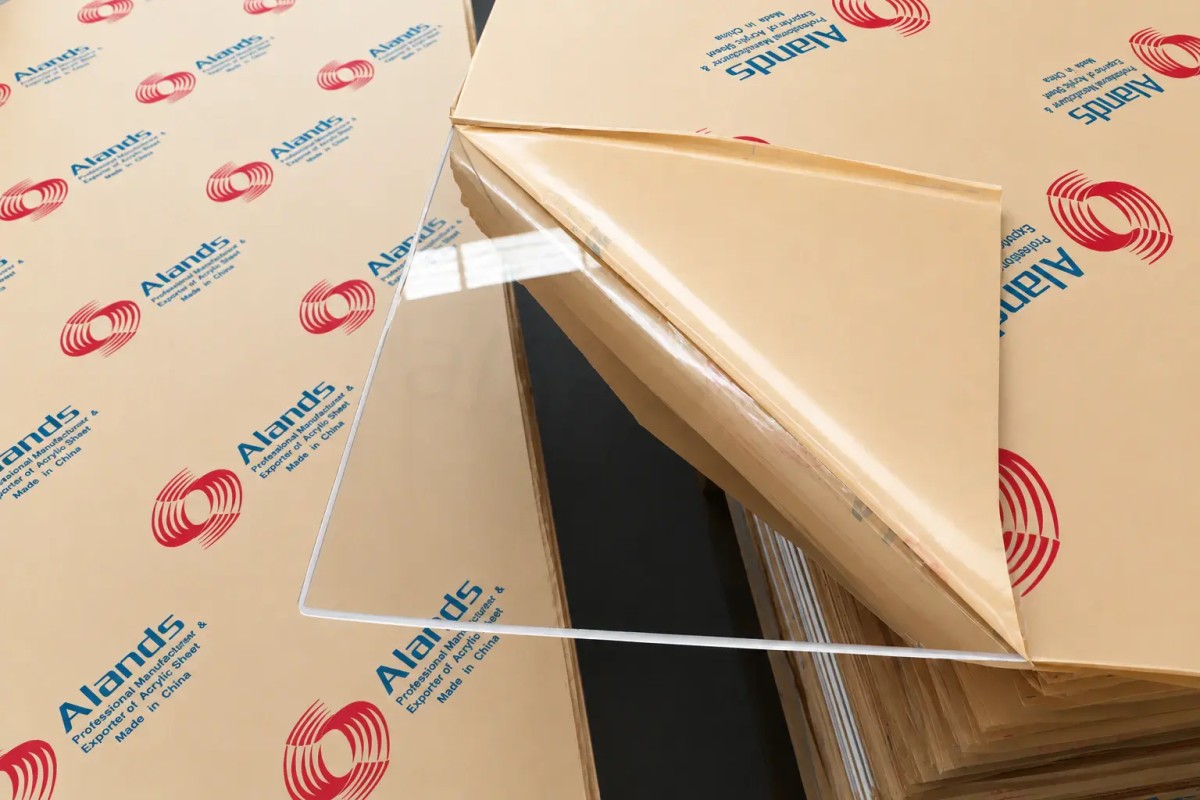
Sheets are usually supplied with protective film on both sides to reduce damage during production, transportation, handling, and storage.
The protective film should remain in place during most fabrication work, including:
- CNC machining
- Saw cutting
- Drilling
- Handling
- Installation
Removing the film near the end of production helps protect the finished surface.
Light scratches can often be reduced with a plastic polishing compound.
Deeper scratches may require fine sanding followed by polishing.
Cracked areas should be inspected before the sheet is reused.
How Do You Clean Acrylic Sheets?
Avoid abrasive pads, stiff brushes, and cleaners containing abrasive particles.
Dust and grit can scratch the sheet when rubbed across the surface.
Loose dirt can be rinsed away with clean water before wiping the sheet with a soft microfiber cloth and a mild cleaner.
Strong solvents should not be used without checking their compatibility with PMMA.
Some chemicals can cause:
- Surface haze
- Fine cracks
- Stress cracking
- Loss of gloss
Extra care is needed on sheets that have been drilled, bent, or mechanically machined.
What Information Is Needed When Ordering Acrylic Sheets?
Acrylic sheet orders usually require several basic specifications.
Packing, pallet requirements, and shipping conditions should also be confirmed for large sheets and bulk orders.
Is Acrylic Sheet Right for Your Project?
Acrylic works well in projects that require a clear or colored surface, lower weight, easy fabrication, and the ability to create custom shapes.
Common applications include signage, retail displays, furniture, architectural decoration, and lighting.
Projects requiring very high impact resistance, higher service temperatures, or special chemical resistance may need polycarbonate, PETG, or another engineering plastic.
Contact Us
If you have any enquiry about quotation or cooperation, please feel free to use the following enquiry form. Our sales representative will contact you within 24 hours. Thank you for your interest in our products. "*" Indicates the Fields are Mandatory
Related Posts
Request A Quote! We'll respond as soon as possible(within 12 hours)
Leave A Message